Classes
Real-World Experience, Customized & Compliance-Driven Training, A Culture of Safety
Hazwoper
Hazardous Waste Operations and Emergency Response
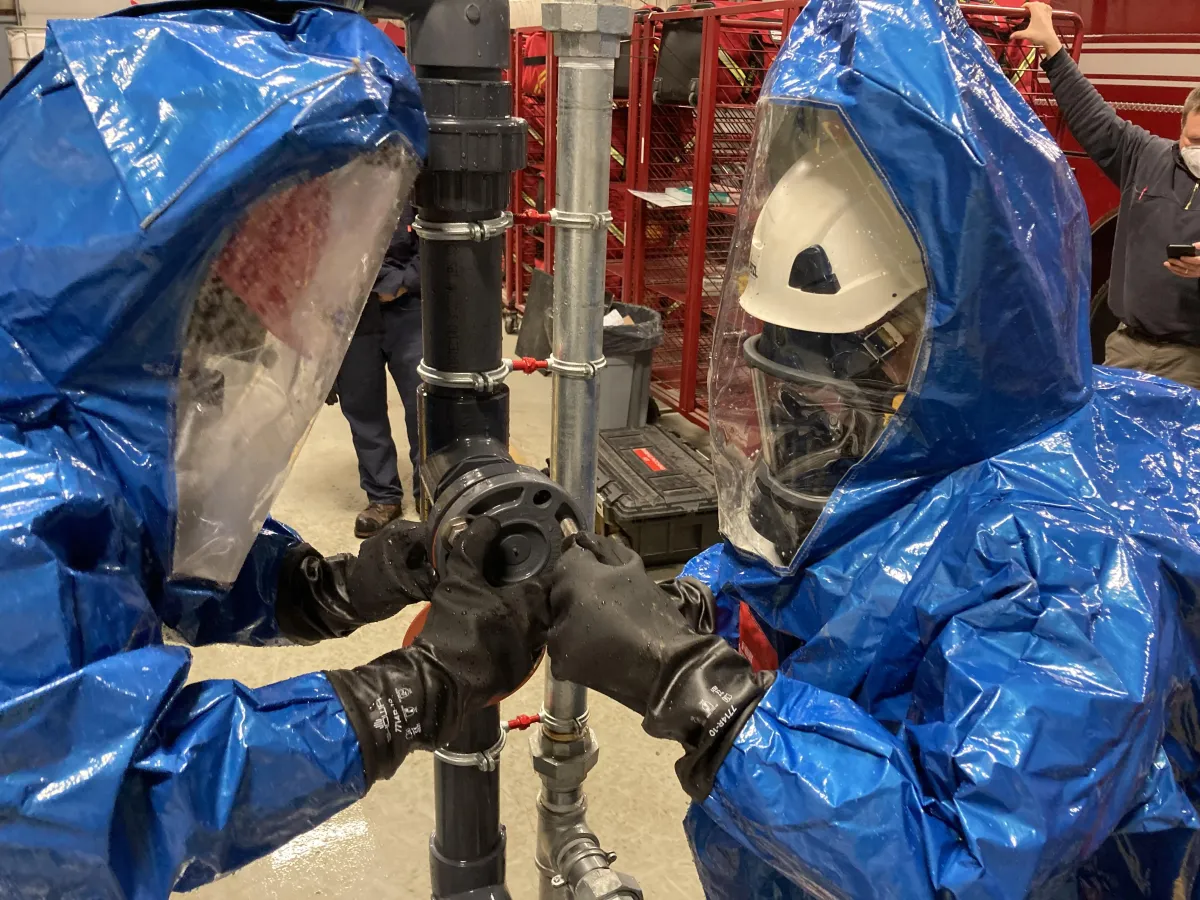
This course provides essential training for workers and supervisors involved in hazardous waste operations, environmental cleanup, and emergency response within general industry settings. Participants gain the knowledge and practical skills to recognize, evaluate, and control hazards associated with chemical, biological, and radiological materials in compliance with OSHA’s HAZWOPER standard (29 CFR 1910.120).
Training Topics Include:
-Overview of OSHA HAZWOPER regulations and requirements
- Hazard recognition and risk assessment
- Chemical and toxicology fundamentals
- Site safety and health plan development
- Levels of protection and personal protective equipment (PPE)
- Decontamination procedures and site control zones
- Air monitoring and instrumentation
- Spill containment and control techniques
- Emergency response and incident command principles
- Medical surveillance and exposure monitoring
- Safe work practices and confined space considerations
- Waste handling, storage, and disposal procedures
- Recordkeeping and documentation requirements
Training Levels Offered:
- 8-Hour HAZWOPER Refresher: Annual refresher for previously certified
personnel
- 8-Hour HAZWOPER Operations Level
- 24-Hour HAZWOPOER Technician Level
Ideal for: Industrial maintenance staff, environmental technicians, EHS
professionals, and contractors involved in hazardous waste operations or spill response. Classes can be customized for your facility.
Meets OSHA 29 CFR 1910.120 requirements for general industry, as well as
NFPA 472 / NFPA 1072: Standard for Competence of Responders to Hazardous Materials/Weapons of Mass Destruction Incidents and NFPA 470: Hazardous Materials/Weapons of Mass Destruction (WMD) Standard for Responders.

Hazcom
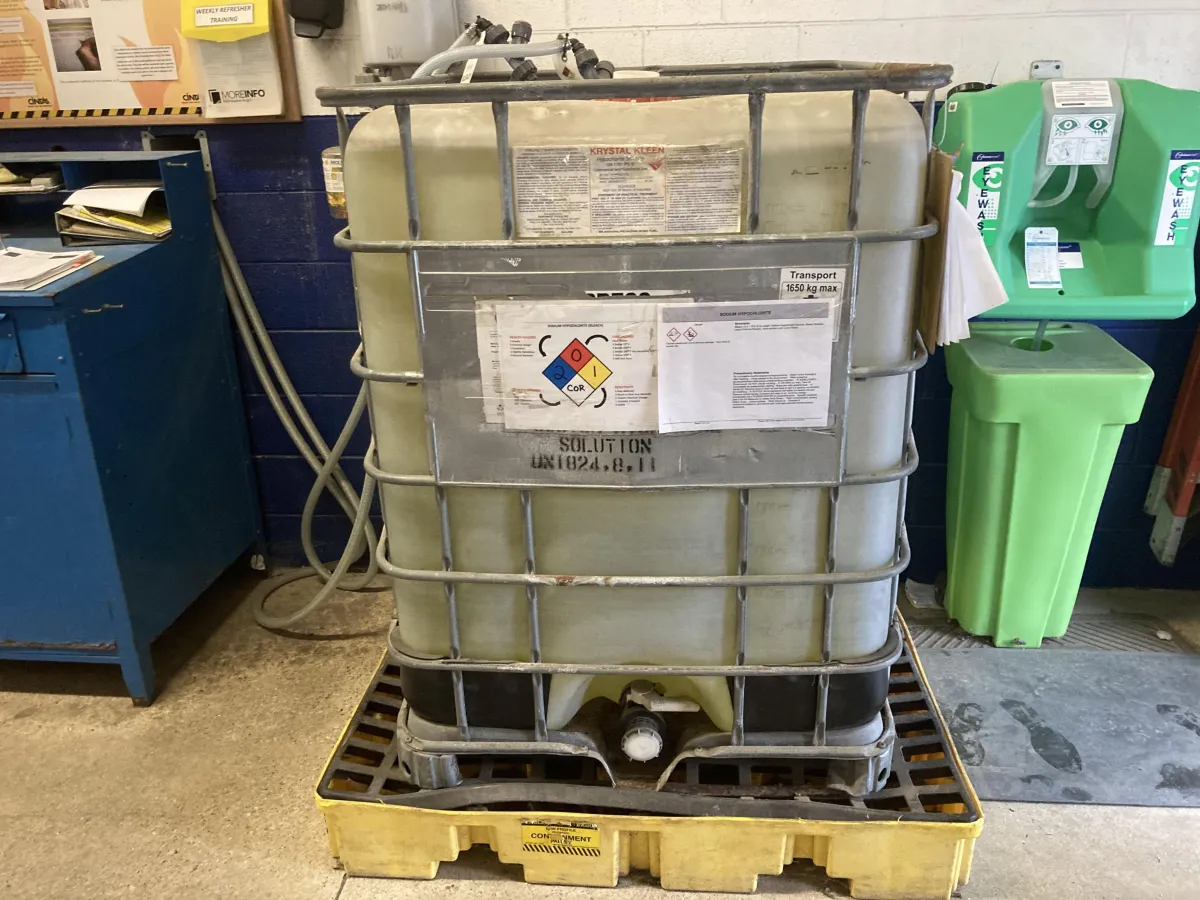
This course provides essential training on the OSHA Hazard Communication Standard (29 CFR 1910.1200), designed to ensure that employees understand the chemical hazards present in their workplace and know how to protect themselves. The training covers the Globally Harmonized System (GHS) for chemical classification and labeling, as well as the requirements for Safety Data Sheets (SDS), hazard labeling, and employee right-to-know.
Participants learn how to read and interpret hazard symbols, signal words, and precautionary statements; identify chemical hazards; and implement safe handling and storage practices in compliance with OSHA regulations.
Training Topics Include:
-Overview of OSHA’s Hazard Communication Standard (29 CFR 1910.1200)
-Employer and employee responsibilities under HazCom
-The Globally Harmonized System (GHS) for hazard classification and labeling
-Chemical hazard identification and classification
-Pictograms, signal words, and hazard statements
-Safety Data Sheets (SDS): structure, content, and access requirements
-Container labeling and secondary labeling systems
-Safe handling, storage, and disposal of hazardous chemicals
-Methods to detect chemical releases or exposures
-Personal protective equipment (PPE) and exposure prevention
-Emergency procedures and first aid considerations
-Employee rights and the written Hazard Communication Program
Meets or Exceeds:
-OSHA 29 CFR 1910.1200 – Hazard Communication Standard
-Incorporates Globally Harmonized System (GHS) alignment requirements
Course Duration:
Initial Training: Typically 4 hours depending on worksite complexity
Refresher Training: Recommended annually or when new hazards are introduced
Ideal for:
All employees who handle or may be exposed to hazardous chemicals, including maintenance personnel, operators, laboratory staff, and supervisors in general industry, construction, or maintenance settings.

Trench Rescue
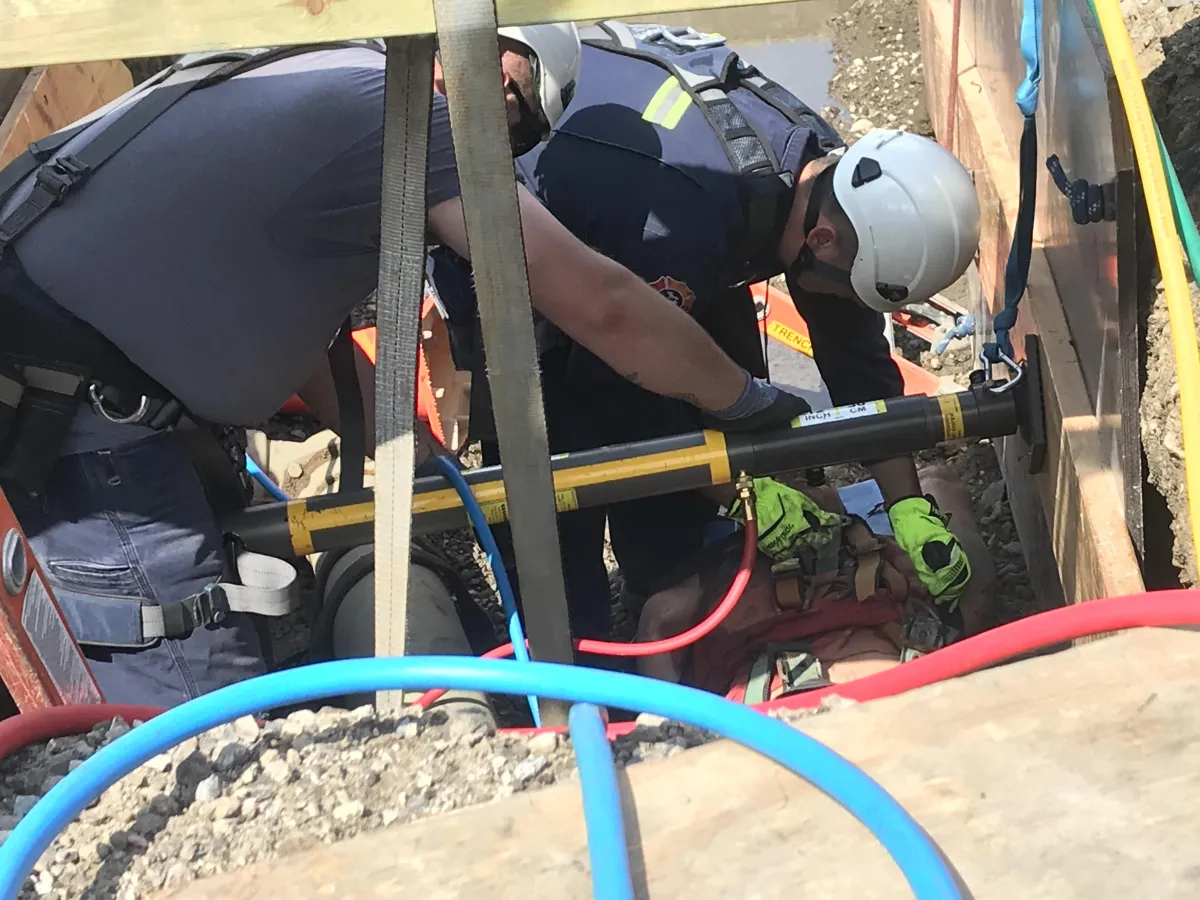
This course provides specialized training in trench and excavation rescue operations, focusing on the safe and efficient rescue of victims trapped in trench or excavation collapses. Training is based on OSHA excavation safety requirements and NFPA technical rescue standards, ensuring compliance and competency for both industrial and emergency response personnel.
Participants learn to recognize trench hazards, establish safe zones, and implement protective systems such as shoring, shielding, and sloping. Hands-on practical exercises reinforce hazard control, atmospheric monitoring, and rescue operations using industry-standard equipment and techniques.
Training Topics Include:
-OSHA excavation and trenching regulations (29 CFR 1926 Subpart P)
-Soil classification and stability analysis
-Hazard recognition and site assessment
-Protective systems: sloping, benching, shoring, and shielding
-Atmospheric monitoring and ventilation in trench environments
-Scene size-up and establishment of command
-Incident Command System (ICS) integration and rescue planning
-Trench rescue safety zones and hazard control
-Shoring system setup and placement procedures
-Patient location, packaging, and retrieval techniques
-Use of lifting and stabilization equipment
-Emergency medical considerations for trapped victims
-Equipment inspection, maintenance, and readiness
Course Duration:
Operations Level: Typically 24 hours – focuses on hazard recognition, safety, and basic rescue operations
Technician Level: 40+ hours – includes advanced shoring, retrieval, and command-level operations
Meets or Exceeds:
-OSHA 29 CFR 1926 Subpart P: Excavations
-NFPA 1006: Standard for Technical Rescue Personnel Professional Qualifications
-NFPA 1670 (replaced by NFPA 2500): Standard on Operations and Training for Technical Search and Rescue Incidents
-NFPA 2500 (2022): Consolidated Standard for Operations and Training for Technical Search and Rescue Incidents and Training

Confined Space Rescue
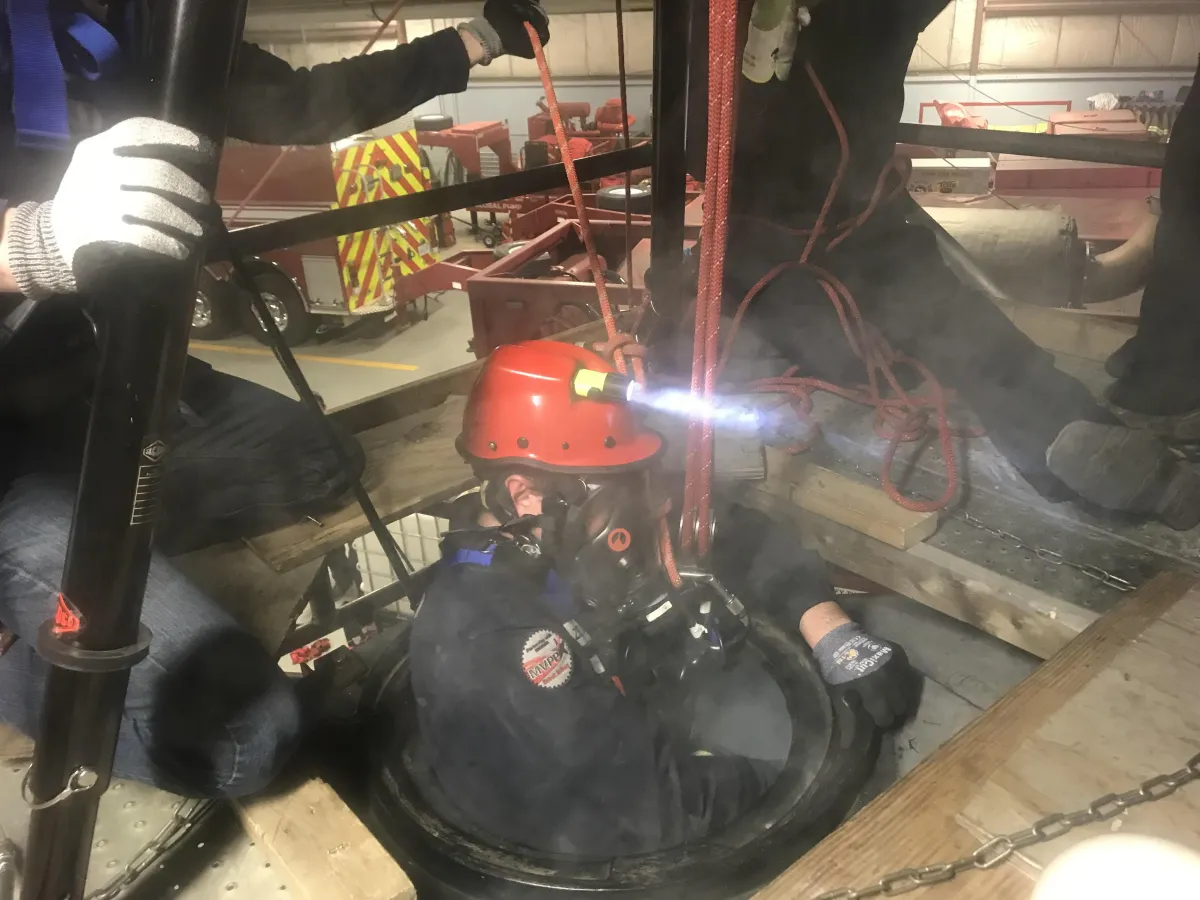
This course is designed for industrial emergency response teams and safety personnel who may be required to perform rescues from permit-required confined spaces in manufacturing, utilities, or processing environments. Training meets or exceeds the requirements of OSHA’s Permit-Required Confined Space Standard 29 CFR 1910.146 and applicable NFPA standards 1006 & 1670 for technical rescue operations.
Participants will gain the knowledge and hands-on skills needed to recognize confined space hazards, perform safe entries, and execute both non-entry and entry rescues using approved equipment and procedures. Emphasis is placed on hazard control, communication, teamwork, and compliance with site-specific rescue plans.
Course Topics Include:
-OSHA confined space classifications and entry permit systems
-Duties of entrants, attendants, and entry supervisors
-Atmospheric monitoring and ventilation techniques
-Hazard control and Lockout/Tagout (LOTO) procedures
-Selection and use of PPE and respiratory protection
-Retrieval systems: tripods, winches, and mechanical advantage systems
-Non-entry rescue and entry-based rescue methods
-Victim packaging and removal techniques
-Incident command, rescue planning, and post-incident review
Who Should Attend:
Industrial emergency response team members, EHS managers, maintenance personnel, and any employee designated to participate in confined space entry or rescue operations under OSHA’s General Industry Standard.
Course Format & Certification:
Training combines classroom instruction with extensive hands-on practical scenarios and can be customized to satisfy your organizations needs.
Upon successful completion, participants receive a Certificate of Completion documenting training in compliance with OSHA and NFPA standards.

Rescue From Heights
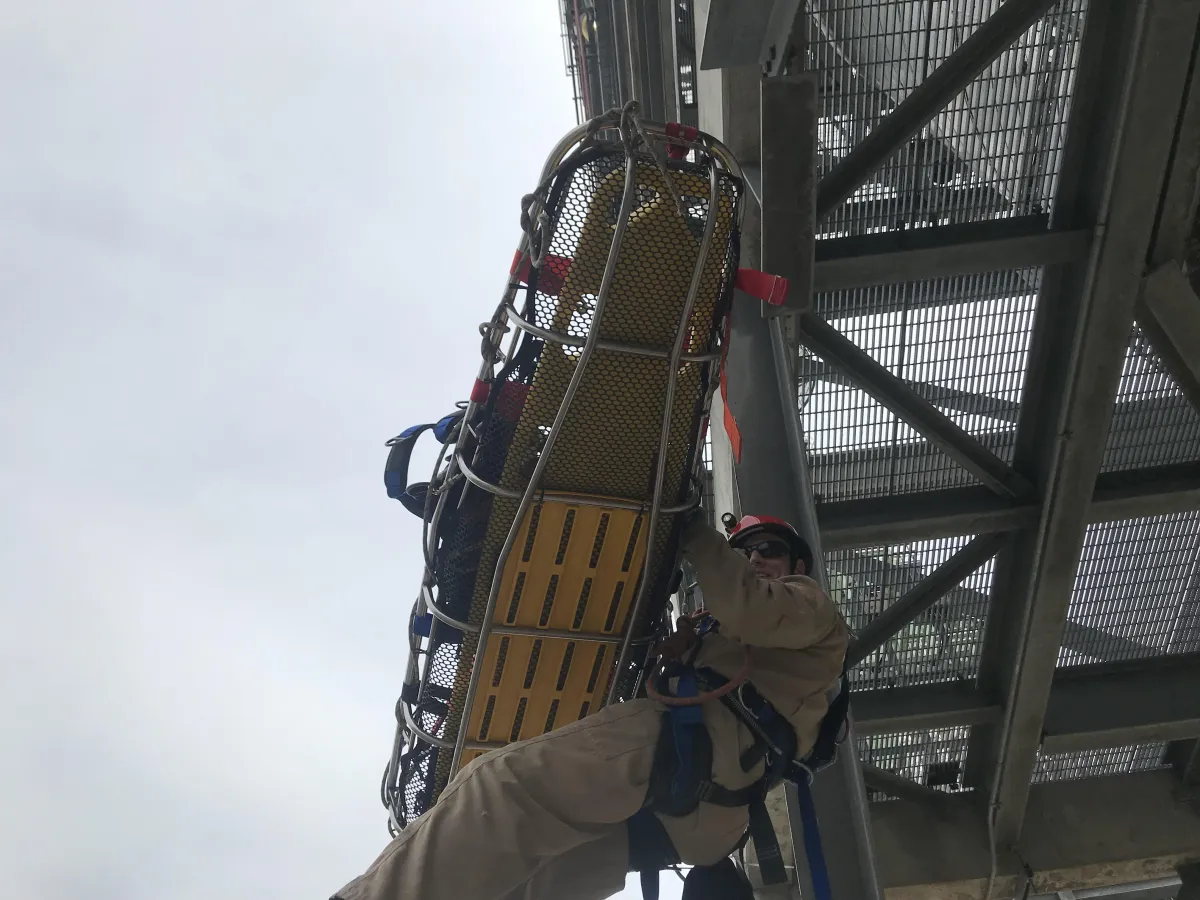
This course provides comprehensive training for personnel who may be required to perform or assist in rescue operations involving workers suspended at height or working in elevated environments. The program emphasizes OSHA fall protection and rescue requirements while integrating NFPA technical rescue standards to ensure safe, effective, and compliant operations.
Participants learn to assess fall hazards, implement fall protection systems, and execute safe rescue techniques for workers using personal fall arrest systems, suspended platforms, or elevated structures. Hands-on practical exercises focus on equipment use, patient packaging, mechanical advantage systems, and lowering/raising operations.
Training Topics Include:
-OSHA fall protection and rescue requirements (29 CFR 1910.140 / 1926 Subpart M)
-Hazard recognition and risk assessment at height
-Fall prevention vs. fall arrest systems
-Anchor point selection and system strength requirements
-Rope systems, knots, and mechanical advantage principles
-Suspension trauma awareness and mitigation
-Rescue techniques for fallen or suspended workers
-Use of descent control and retrieval devices
-Team-based rescue operations and communication
-Incident command and scene management
-Inspection, care, and maintenance of equipment
Course Duration:
Initial Training: Typically 8–16 hours, depending on site operations and equipment used Annual Skills Refresher: Recommended to maintain proficiency
Meets or Exceeds:
-OSHA 29 CFR 1910.140 – Personal Fall Protection Systems
-OSHA 29 CFR 1926 Subpart M – Fall Protection
-NFPA 350: Guide for Safe Confined Space Entry and Work (for vertical access integration)
-NFPA 1006: Standard for Technical Rescue Personnel Professional Qualifications
-NFPA 1983: Standard on Life Safety Rope and Equipment for Emergency Services
Ideal for:
Maintenance and construction personnel, safety teams, confined space attendants, industrial rescue teams, and emergency response staff responsible for working at or rescuing from elevated environments.

10-Hour OSHA General Industry
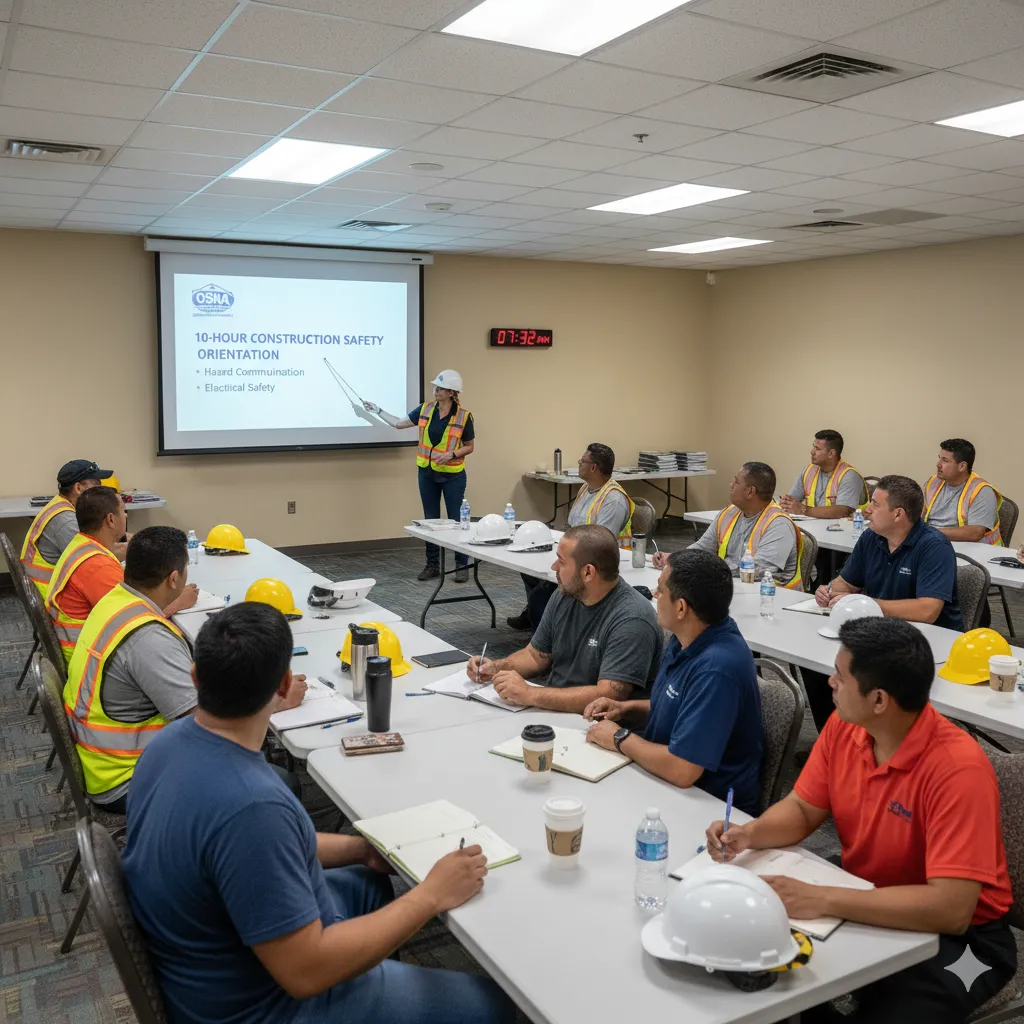
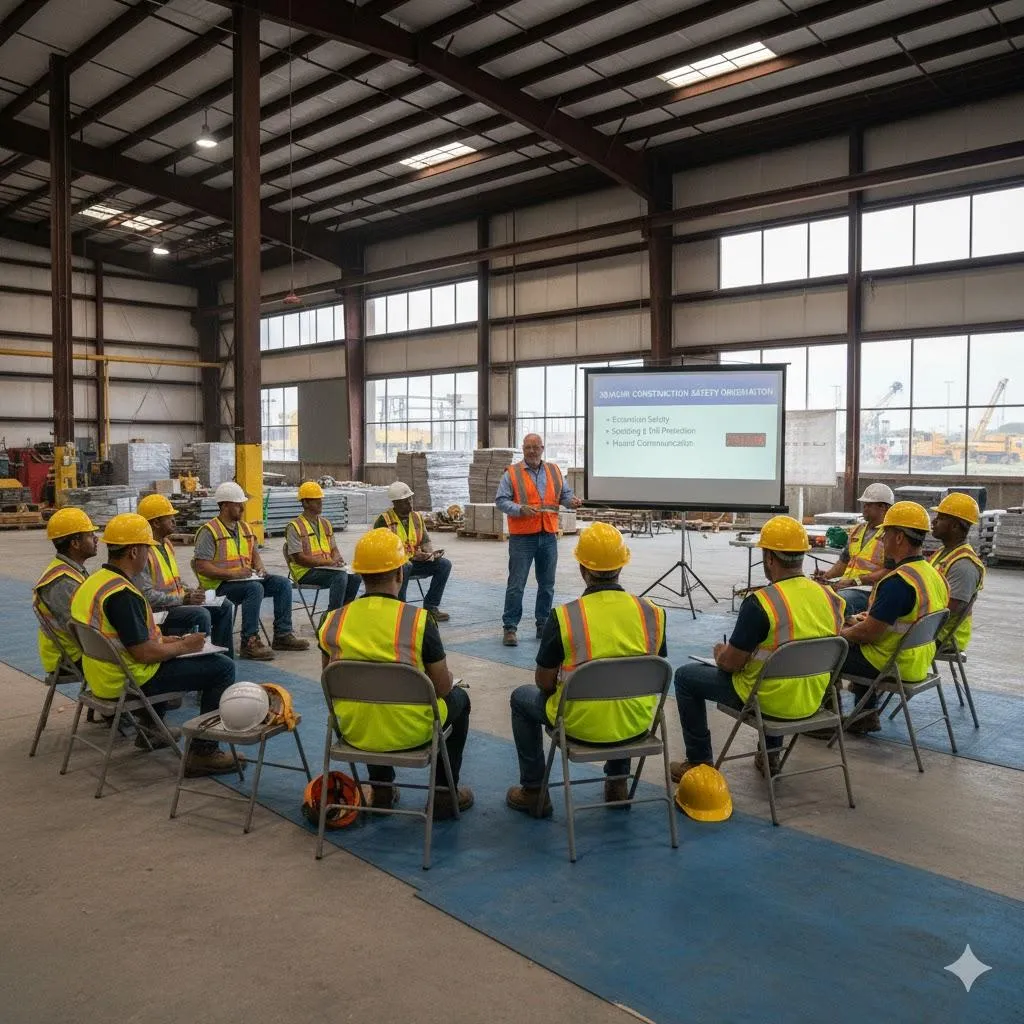
These courses provide comprehensive instruction on occupational safety and health standards for general industry as required under OSHA 29 CFR Part 1910. The programs are designed to promote a safe and healthful workplace by teaching workers and supervisors how to recognize, avoid, and prevent common industry hazards.
Training is delivered by OSHA-authorized instructors and emphasizes practical application of OSHA standards, employee rights, employer responsibilities, and hazard prevention strategies. Upon successful completion, participants receive an official OSHA DOL course completion card.
This course is intended for entry-level workers in manufacturing, maintenance, warehousing, healthcare, utilities, and other general industry environments. It provides an introduction to key OSHA regulations and safe work practices to reduce workplace injuries and exposures.
Core Topics Include:
-OSHA overview and worker rights
-Walking and working surface hazards
-Electrical safety fundamentals
-Hazard Communication (HazCom/GHS)
-Personal Protective Equipment (PPE)
-Emergency action and fire prevention plans
-Ergonomics and material handling safety
-Machine guarding basics
-Bloodborne pathogens awareness
-Recordkeeping and reporting requirements
Course Duration: 10 hours (typically delivered over 1½–2 days)
Outcome: OSHA 10-Hour General Industry Completion Card
30-Hour OSHA General Industry
These courses provide comprehensive instruction on occupational safety and health standards for general industry as required under OSHA 29 CFR Part 1910. The programs are designed to promote a safe and healthful workplace by teaching workers and supervisors how to recognize, avoid, and prevent common industry hazards.
Training is delivered by OSHA-authorized instructors and emphasizes practical application of OSHA standards, employee rights, employer responsibilities, and hazard prevention strategies. Upon successful completion, participants receive an official OSHA DOL course completion card.
This advanced course is designed for supervisors, managers, safety officers, and team leaders who have safety program responsibilities or oversight duties. The training provides a deeper understanding of OSHA compliance, hazard control, and safety management systems.
Core and Elective Topics Include:
-Comprehensive review of OSHA 29 CFR 1910 standards
-Safety and health management systems
-Job hazard analysis and control strategies
-Electrical, lockout/tagout (LOTO), and machine guarding
-Confined space entry awareness
-Fall protection and elevated work hazards
-Hazard Communication (HazCom/GHS) and chemical safety
-Industrial hygiene and noise exposure
-Walking-working surfaces and scaffolding
-Fire prevention, emergency action, and exit routes
-Ergonomics, materials handling, and powered industrial trucks
-Recordkeeping (OSHA 300 logs) and accident investigation
-Leadership and employee involvement in safety culture
Course Duration: 30 hours (typically delivered over 4–5 days)
Outcome: OSHA 30-Hour General Industry Completion Card


Fire Protection Systems Management
This course provides in-depth training on the inspection, testing, and management of fire protection and life safety systems in industrial, commercial, and institutional facilities. Participants gain the knowledge required to evaluate system performance, ensure regulatory compliance, and maintain readiness of automatic and manual fire suppression and alarm systems.
The program integrates OSHA fire protection requirements (29 CFR 1910 Subpart L) with applicable NFPA standards, giving safety and facility professionals a complete understanding of their responsibilities for system maintenance, documentation, and emergency planning.
Training Topics Include:
-OSHA fire protection and prevention requirements (29 CFR 1910.155–165)
-Overview of fire detection, alarm, and suppression systems
-Sprinkler system design, operation, and inspection fundamentals (NFPA 13 & NFPA 25)
-Fire alarm and notification system management (NFPA 72)
-Fire extinguishers and portable suppression systems (NFPA 10)
-Fire pump and water supply system testing requirements
-Emergency lighting and egress system inspection (NFPA 101 – Life Safety Code)
-Fire department connections and coordination with local AHJs
-Documentation, recordkeeping, and testing schedules
-Common system deficiencies and troubleshooting techniques
-Integration of fire protection systems with emergency action plans (EAPs)
-Roles and responsibilities of the fire protection manager
Course Duration:
Standard Course: 8–16 hours (customizable based on facility type and system complexity)
Annual Refresher: Recommended to maintain familiarity with system testing and code updates
Meets or Exceeds:
-OSHA 29 CFR 1910 Subpart L: Fire Protection
-NFPA 13: Standard for the Installation of Sprinkler Systems
-NFPA 25: Standard for the Inspection, Testing, and Maintenance of Water-Based Fire Protection Systems
-NFPA 72: National Fire Alarm and Signaling Code
-NFPA 101: Life Safety Code
Ideal for:
Facility managers, safety officers, maintenance supervisors, fire prevention personnel, and EHS professionals responsible for maintaining fire protection and life safety systems in compliance with OSHA and NFPA standards.
Incident Command System
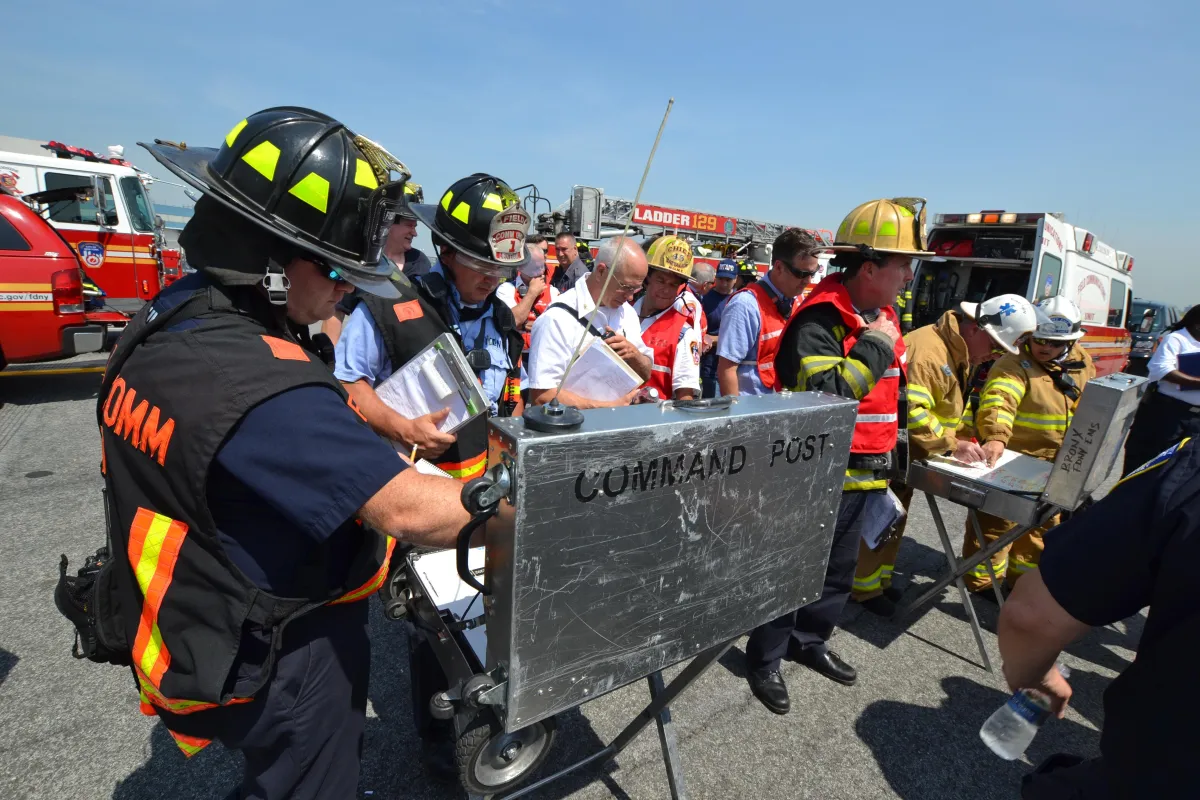
This course provides training in the principles and application of the Incident Command System (ICS) as required by OSHA and NFPA standards. Participants gain the knowledge and skills needed to establish command, manage incidents, and ensure coordinated response operations for emergencies ranging from industrial accidents to hazardous materials releases.
The course emphasizes compliance with OSHA 29 CFR 1910.120 (HAZWOPER) requirements for emergency response organizations, integrating NFPA standards for incident management structure, communications, and command competency. Students learn to organize resources, delegate responsibilities, and maintain responder safety during complex or multi-agency operations.
Training Topics Include:
-OSHA requirements for incident command and emergency response (29 CFR 1910.120(q))
-ICS structure, roles, and responsibilities
-Establishing command and scene size-up
-Incident action planning and operational periods
-Resource management and accountability
-Communication and information flow within ICS
-Integration with the National Incident Management System (NIMS)
-Safety officer and responder accountability functions
-Unified Command and coordination with outside agencies
-Documentation, demobilization, and after-action review
-Practical tabletop and scenario-based exercises
Course Duration:
Initial Training: Typically 8–24 hours, depending on organizational role and response complexity
Refresher/Advanced Modules: Available for supervisory or technical-level responders
Meets or Exceeds:
-OSHA 29 CFR 1910.120(q): Emergency Response and Incident Command Requirements
-NFPA 1561: Standard on Emergency Services Incident Management System and Command Safety
-NFPA 1026: Standard for Incident Management Personnel Professional Qualifications
-FEMA/NIMS ICS 100–400 series guidelines
Ideal for:
Industrial emergency response teams, facility EHS personnel, safety managers, supervisors, and responders designated to perform command or leadership roles during incidents or hazardous materials events.
DOT Hazmat Employee
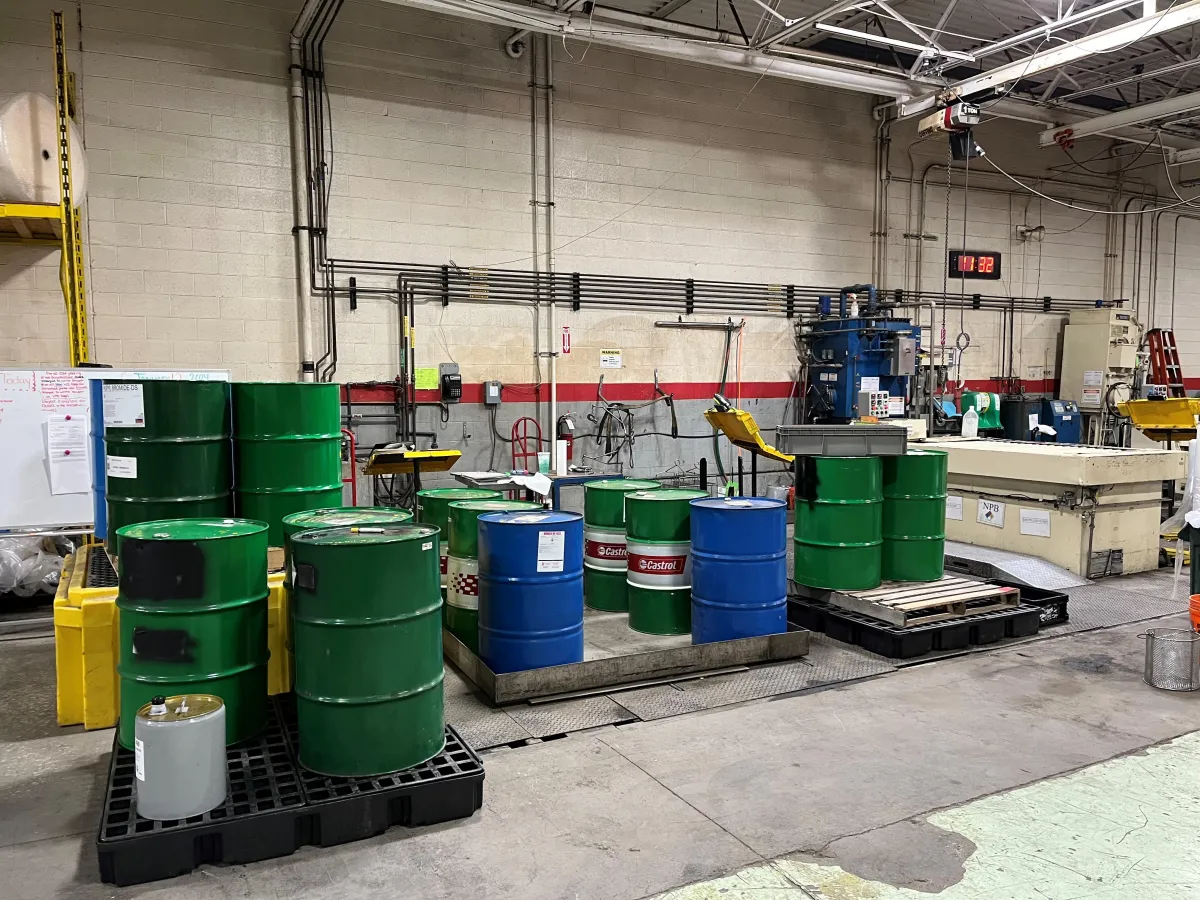
This course provides comprehensive training for employees who handle, package, mark, label, load, unload, or transport hazardous materials in compliance with the U.S. Department of Transportation (DOT) Hazardous Materials Regulations (49 CFR Part 172, Subpart H).
Participants will gain the knowledge and skills needed to recognize hazardous materials, understand their responsibilities under the law, and perform their duties safely and compliantly.
Course Covers:
-Overview of the Hazardous Materials Regulations (HMR)
-Hazard classes and identification (labels, markings, and placards)
-Packaging requirements and shipping papers
-Loading, unloading, and segregation rules
-Emergency response information and incident reporting
-Security awareness and in-depth security plan requirements (if applicable)
-Function-specific and safety training based on job duties
Who Should Attend:
Any employee defined as a “hazmat employee” under 49 CFR 171.8, including:
-Shipping and receiving personnel
-Warehouse staff
-Drivers transporting hazardous materials
-Supervisors and safety/compliance staff
-Packaging, labeling, and documentation personnel
Certification:
Successful participants receive a Hazmat Employee Training Certificate documenting compliance with 49 CFR 172.704 training requirements. Certification is valid for three years and must be renewed periodically.
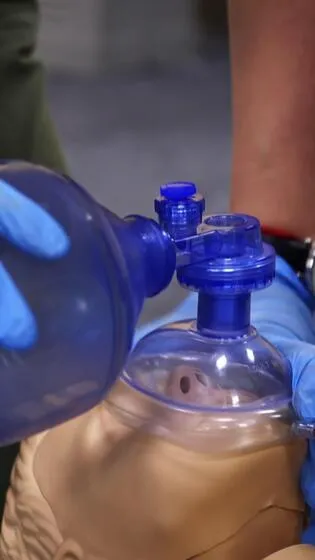
CPR/First Aid
This course provides hands-on training in Cardiopulmonary Resuscitation (CPR) and First Aid following the latest American Heart Association (AHA) guidelines. Participants will learn how to recognize and respond to medical emergencies such as cardiac arrest, choking, bleeding, burns, and other sudden illnesses or injuries.
The class combines interactive instruction, video-based learning, and practical skill stations to ensure participants gain the confidence and competence to act quickly and effectively in real-world emergencies.
Course Includes:
-Adult, Child, and Infant CPR
-Use of an Automated External Defibrillator (AED)
-Choking relief techniques
-First aid for common injuries (bleeding, fractures, burns, shock, allergic reactions, etc.)
-Scene safety and emergency response procedures
Certification:
Upon successful completion, participants receive an American Heart Association certification card, valid for two years.
Ideal for:
Workplace safety teams, educators, childcare providers, healthcare providers.
Classes can be tailored to satisfy your organization's needs
Follow Us


All Rights Reserved.
Eureka Educators 2026